Devotion to prayer and spiritual power
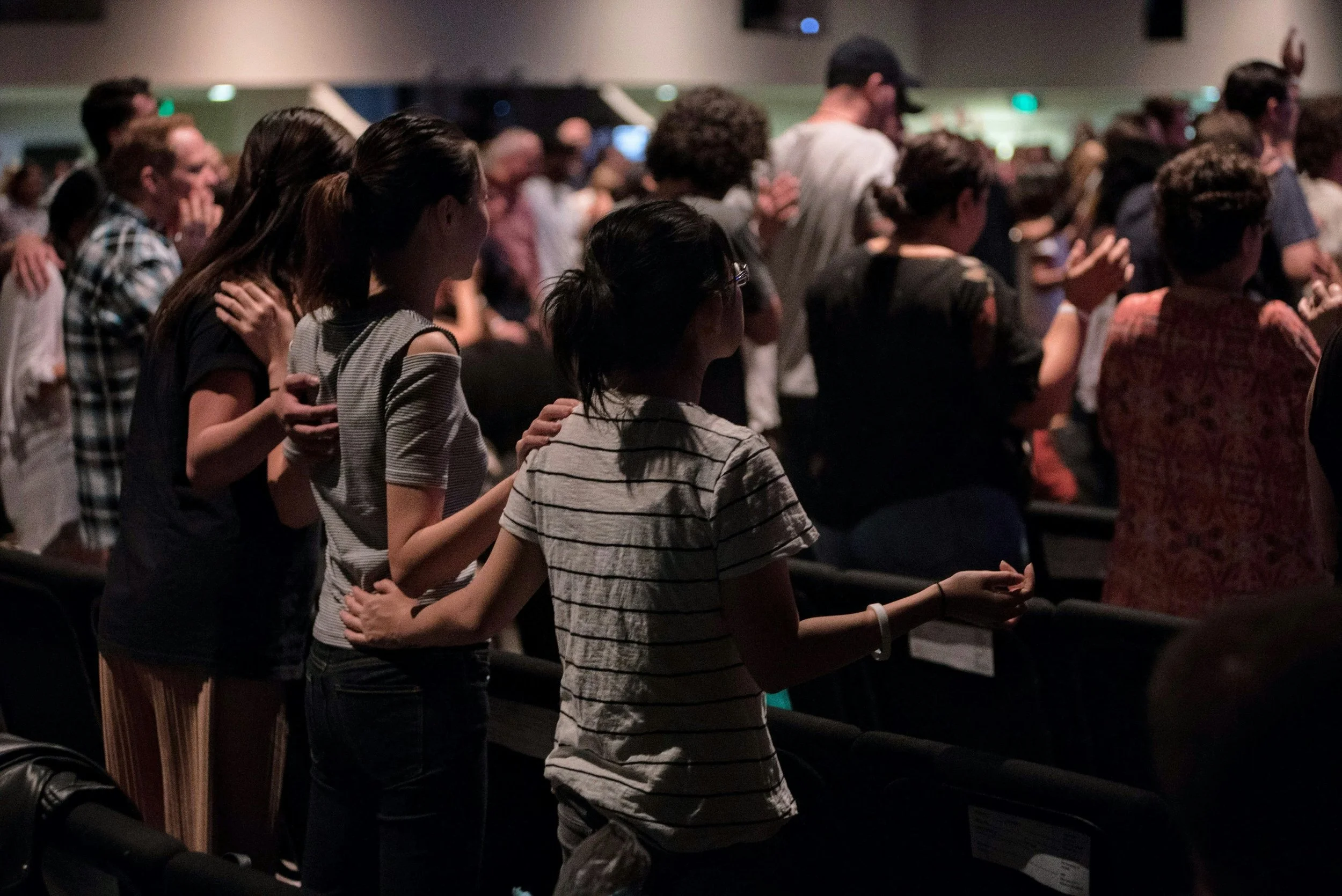
What is prayer?
If there was one thing that defines a Christian as revealed by the Scriptures, it would be prayer. What is prayer? If we let the life of Jesus define it, prayer is seeking fellowship with our heavenly Father and seeking to know his will. Of course, prayer can include more than this (Eph 6:18), but without fellowship with God our Father and a desire to know (and do) his will, prayer loses its very essence and becomes a form of legalistic religious ritual.
The necessity of prayer
The necessity and priority of prayer for a Christian’s life can be seen in how the Bible describes what our attitude should be - “devote yourselves to prayer” (Col 4:2,1 Cor 7:5, Acts 6:4). The Greek word “devote” in the original Bible text is also translated in our english Bible’s in relation to prayer as “give your attention to” (1 Tim 4:13), “be persistent in” (Rom 12:12), and “continue in” (Acts 1:14, 2:42). This continual practice of prayer is demonstrated in Jesus’ life (Luke 5:16, 6:12, 9:18, Mark 1:35, Matt 14:23). Jesus also communicates this as an expectation for his disciples - “Now he told them a parable on the need for them to pray always and not give up” (Luke 18:1). When we are truly devoted to something, it is not something we engage in sporadically or only when it suits us. It goes beyond occasional effort or acting solely when prompted by others, rather it becomes an essential priority in our life. Indeed, devotion is how the Bible describes other essentials of the Christian life, such as our meeting together and breaking bread (Acts 2:42, 2:46), reading and teaching the Scriptures (Acts 2:42, Acts 6:4, 1 Tim 4:13) and good works (Tit 3:14). However, if we understand the essence of prayer as fellowship with God, all these other devoted essentials flow out from our devotional priority to prayer.
Why do we need to be devoted to prayer?
We need to be devoted to prayer for ourselves. All fellowship with God the Father is through Jesus (John 14:6). Like a branch of a tree is dependent on the roots to draw its life from, our spiritual life is dependent on our ongoing intimate connection with Jesus through our devotion to prayer. We have no spiritual life apart from Jesus (John 1:14) and can do nothing spiritual without abiding in Him (John 15:4-5). Without this ongoing intimacy with Jesus through prayer, spiritually, we shrivel up and die (John 15:6)
We also need to be devoted to prayer for others. The prayers from our intimate fellowship with the Lord are the most powerful gift we can give to one another. Not the only gift, but the most spiritually powerful gift!
Prayer and spiritual power
When you need someone to pray for you, who do you ask? Not those who are half-hearted in prayer, or those who pray only when it’s convenient, but those who are devoted to prayer. Paul frequently requests the churches to pray for spiritual power for the preaching of the Gospel and deliverance from spiritual opposition (Eph 6:19-20, Col 4:3-4, 2 Thes 3:1-2, Rom 15:30-32, Phil 1:19). It was being devoted to prayer that shook the church meeting place with spiritual power (Acts 4:31) and miraculously release the apostles from prison (Acts 12:5, 12, 16:25-26). These examples in Acts are insightful and instructive for us. Acts 4 describes communal prayer as a response to persecution. The result being a renewed infilling of the spirit and continued power as witnesses. Acts 12 describes the miraculous release of Peter from prison through the prayers of the church as they gathered together to pray - a practise the church had already established (Acts 2:42). Acts 16 describes the release of Paul and Silas from prison through their own personal prayers (and singing) together. The conclusion - devoted prayer brings forth God’s spiritual power and authority on our behalf. Of course, all these examples involve those who are devoted to pursing God and his purposes, therefore these miraculous events ultimately are for the purpose of glorifying God and his Kingdom!
Communal prayer
If you hadn’t already noticed, devotion to prayer is a practice both personally and communally. One cannot be substituted for another. John says of Jesus – the word of Life:
“that life was revealed, and we have seen it and we testify and declare to you the eternal life that was with the Father and was revealed to us—what we have seen and heard we also declare to you, so that you may also have fellowship with us; and indeed our fellowship is with the Father and with his Son, Jesus Christ.” (1 John 1:2–3, CSB)
The single uniting factor in our fellowship together in the church is our shared fellowship with the Father and the Son, Jesus. Our individual abiding with God through our personal devotion to prayer is the fundamental element of our shared fellowship together as a church. As we all experience fellowship with God personally, this is enlarged and extended as we meet together in devoted prayer as a church, experiencing the fellowship of God communally. John identifies this as the purpose of the Gospel – “what we have seen and heard we also declare to you, so that you may also have fellowship with us”!
The sad and painful truth is that sometimes, maybe even often, churches do not experience a shared communal fellowship with the Lord together. The most obvious reason for this is that the church has not devoted itself to prayer. Without the experience of shared fellowship of Jesus, the Father and the Holy Spirit, the church degenerates into merely a religious social group devoid of any spiritual power and authority. Conversely, God’s vision of his church is to be an extension of himself (Jesus is the head and we are the body), and thereby progressively extending his rule, reign, power and authority over all the earth until he returns (Eph 1:20-23, 1 Cor 15:24-28).
We should not see communal prayer as optional extra of the Christian life, but rather as an essential dimension of our fellowship with our heavenly Father and Jesus, through the Holy Spirit (2 Cor 13:13). Indeed, Paul requests this type of devoted communal church prayer that is in fellowship both with the Father, Son and Holy Spirit and one another:
“Now I appeal to you, brothers and sisters, through our Lord Jesus Christ and through the love of the Spirit, to strive together with me in prayers to God on my behalf. 31 Pray that I may be rescued from the unbelievers in Judea, that my ministry to Jerusalem may be acceptable to the saints, 32 and that, by God’s will, I may come to you with joy and be refreshed together with you.” (Romans 15:30–32, CSB)
If you are from a western cultural background, you probably will read this through an individualistic lens, imaging that the church can fulfil Paul’s appeal through individual prayer. However, this does not reflect the context in which Paul’s letter to the Romans was written. In his letter Paul was addressing the whole church in Rome (Rom 1:7), read to the church in the context of a church gathering, and within a collectivist culture that prioritises the community over the individual. Therefore, ‘striving together…in prayers’, should be imagined as literally the church praying together communally.
Our motivation to pray
Another important insight from these verses in Rom 15 is they reveal the motivation for our devoted prayer is love – a love that comes to us from the Spirit. Inevitably churches who are devoted to prayer are also filled with the love of God. Their self-sacrificial Spirit-filled love prayers, make them powerful and effective for God’s purposes and fill them and those they pray for with joy and refreshing! How much to we need to be devoted to prayer!
The grace and peace of Jesus be with you as develop a deeper devotion of abiding fellowship with God in prayer.